CLIK Creatives Studio

How Missed Calls Cost Businesses Money and What to Do About It

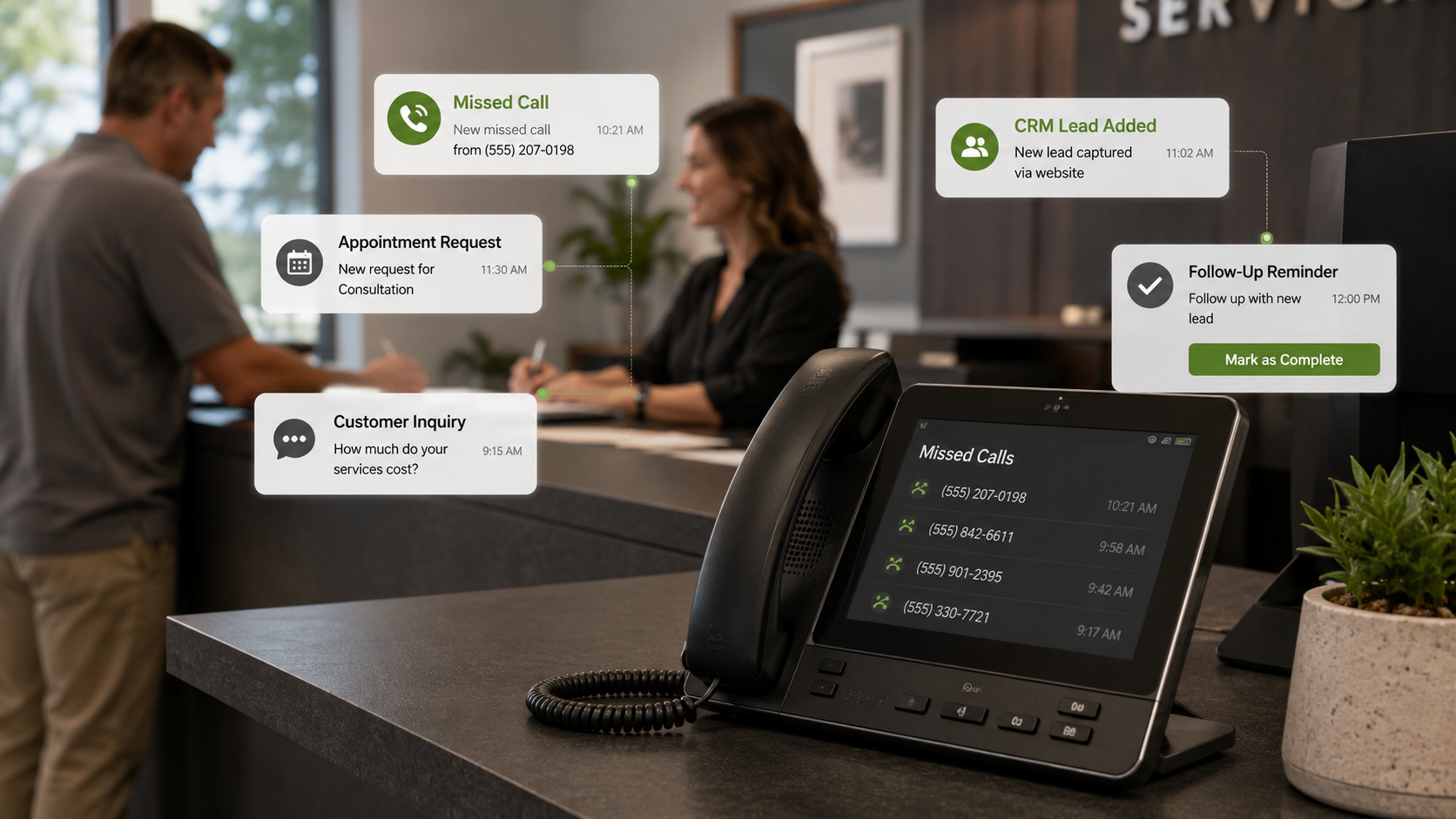
Introduction: Your Phone Might Be Leaking Money Missed calls cost businesses money in a way that is easy to ignore. Not because business owners do not care. Most care a lot. The problem is that missed calls do not always look like lost revenue right away. They look like a notification. A voicemail. A number you meant to call back. A customer who called during lunch. A lead who reached out while you were helping someone else. A phone ringing while the team was busy. And because nobody complained, it feels like nothing major happened. But something did happen. A customer raised their hand. Your business did not answer in the moment. And in many industries, that moment matters. If someone calls a dentist, plumber, salon, gym, restaurant, contractor, clinic, law office, real estate agent, repair service, or local business, they may not be calling just to chat. They are often trying to solve a problem, ask a question, check availability, book an appointment, or compare options. That call might be the sale. That call might be the booking. That call might be the first step toward a long-term customer. When the call is missed, the opportunity does not politely sit there forever holding a tiny briefcase. It often moves. The person calls someone else. They click the next result. They leave a message and forget. They get distracted. They assume you are too busy. They decide the other business is easier to reach. That is why missed calls cost businesses money. Not every missed call becomes a lost sale, but enough of them do. And for small businesses, a few lost calls per week can become a serious gap over time. This article breaks down: Because the goal is not to answer every call personally forever. The goal is to make sure interested customers do not disappear just because your business was busy for five minutes. Quick Answer: How Do Missed Calls Cost Businesses Money? Missed calls cost businesses money by creating lost sales opportunities, delayed follow-up, lower customer trust, fewer bookings, and more leads choosing competitors. For local businesses, every missed call can represent a potential customer who was ready to ask, book, visit, or buy. Why Missed Calls Matter More Than Most Businesses Think A missed call is not just a communication issue. It is often a conversion issue. That is because phone calls usually happen when someone has intent. They are not casually browsing. They are not just vaguely curious. They may be ready to: That means a missed call may happen at one of the most valuable moments in the customer journey. The customer is already interested enough to take action. That is not the time to let the lead slip into voicemail purgatory. A website can create awareness. A Google Business Profile can create visibility. Social media can create familiarity. But the phone call is often where intent becomes action. That is why missed calls hurt. They interrupt momentum. And in business, momentum matters. Customers Do Not Always Call Back Here is the uncomfortable part. A missed call does not mean the customer will wait. Some people leave voicemails. Some people call back later. Some people send a message. But many people simply move on. Especially when the need is urgent or competitive. If someone needs a same-day appointment, emergency repair, last-minute reservation, product availability, consultation, or quote, they may call multiple businesses. The first business that answers clearly and professionally has an advantage. Not because they are automatically better. Because they were reachable. That is the part many businesses underestimate. Availability feels like trust. When someone reaches your business and gets a fast response, the business feels organized. When they do not, doubt creeps in. They may wonder: That hesitation can cost the sale. And most customers will not send a formal report explaining their thought process. They just leave. Quietly. Like a lead ninja. Voicemail Is Not a Complete Follow-Up System Voicemail can help. But voicemail is not a real lead capture system by itself. It depends on too many things going right. The caller has to leave a message. The message has to be clear. Someone has to listen to it. Someone has to write it down or remember it. Someone has to call back quickly. The caller has to still be interested. That is a lot of hope dressed up as a process. Voicemail also does not feel immediate. Many customers do not want to leave a message. They want an answer. And if the competitor answers while your voicemail is still saying, “Your call is important to us,” the customer may already be gone. This is why businesses need more than voicemail. They need a system that can: That is the difference between “we missed the call” and “we still captured the lead.” The Real Cost of Missed Calls The real cost of missed calls depends on your business. For a restaurant, it may be missed reservations or catering inquiries. For a dentist, it may be missed patient appointments. For a contractor, it may be missed estimates. For a salon, it may be missed bookings. For a law firm, it may be missed consultations. For a gym, it may be missed membership inquiries. For a repair service, it may be missed emergency jobs. The math can add up quickly. For example: If one missed call could have become a $150 appointment, five lost calls per month is $750 in missed revenue. If one missed call could have become a $1,500 service job, losing a few calls per month becomes much more serious. If one missed call could have become a long-term customer, the lifetime value may be much higher than the first transaction. That is why missed calls should not be treated like small interruptions. They should be treated like possible revenue events. Not every call is valuable. Some calls are spam. Some are vendors. Some are people asking questions with no intent to buy. But the problem

Read more